Difference Between Attorney and Lawyer: 11 Essential Facts
Difference Between Attorney and Lawyer: 11 Essential Facts
By Charles Reece · Published by Reece Law Inc.
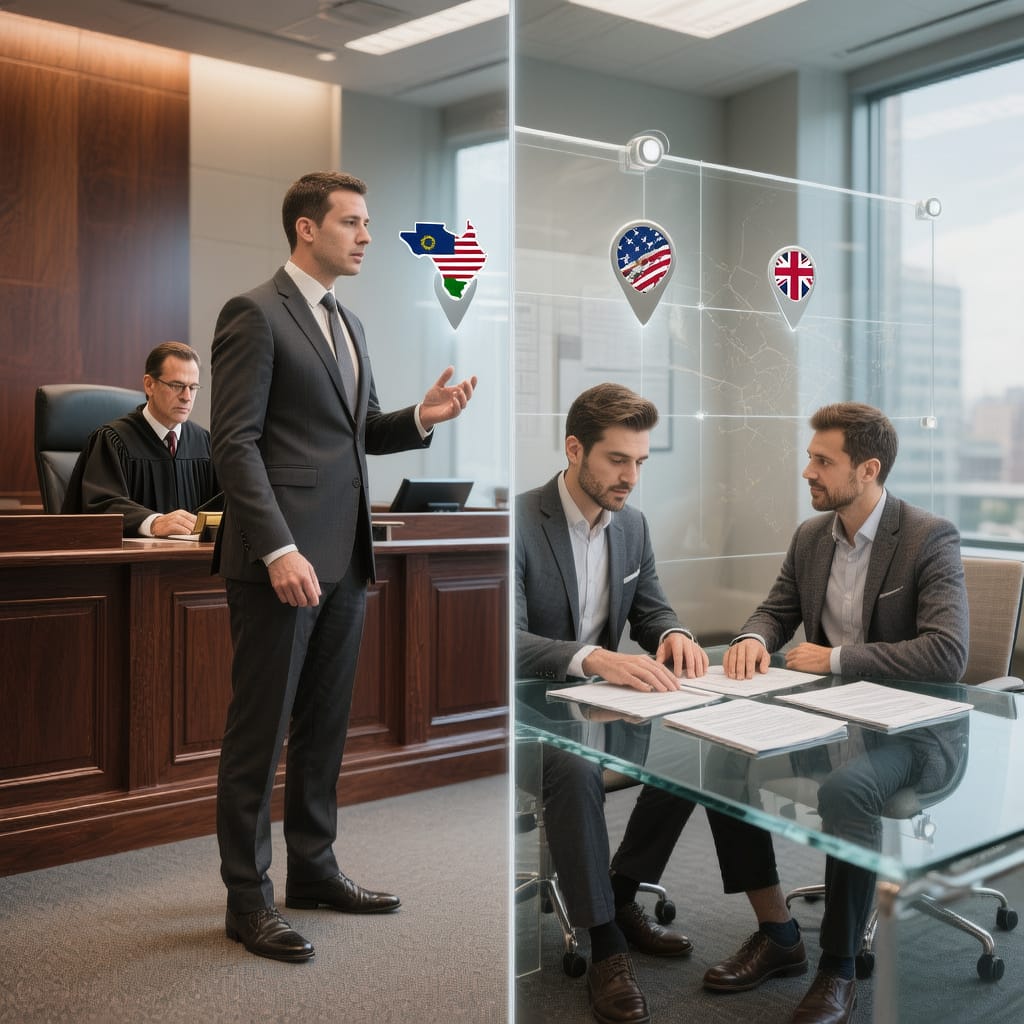
Let us clear the fog fast. The difference between attorney and lawyer matters when you are choosing the right professional, signing a mandate, or stepping into court. In some countries the terms overlap. In others they signal distinct qualifications and rights of appearance.
Here is your plain language guide. We will unpack the difference between attorney and lawyer in South Africa, the United States, the United Kingdom, and beyond, so you know exactly who to hire and why it affects your case outcome.
The difference between attorney and lawyer explained in 60 seconds
Start with definitions. A lawyer is anyone trained in law, usually with a law degree. An attorney is a lawyer who is licensed to act on behalf of clients, often with court representation rights that depend on jurisdiction.
- United States and Canada: Lawyer is broad. Attorney at law is licensed and admitted to the bar.
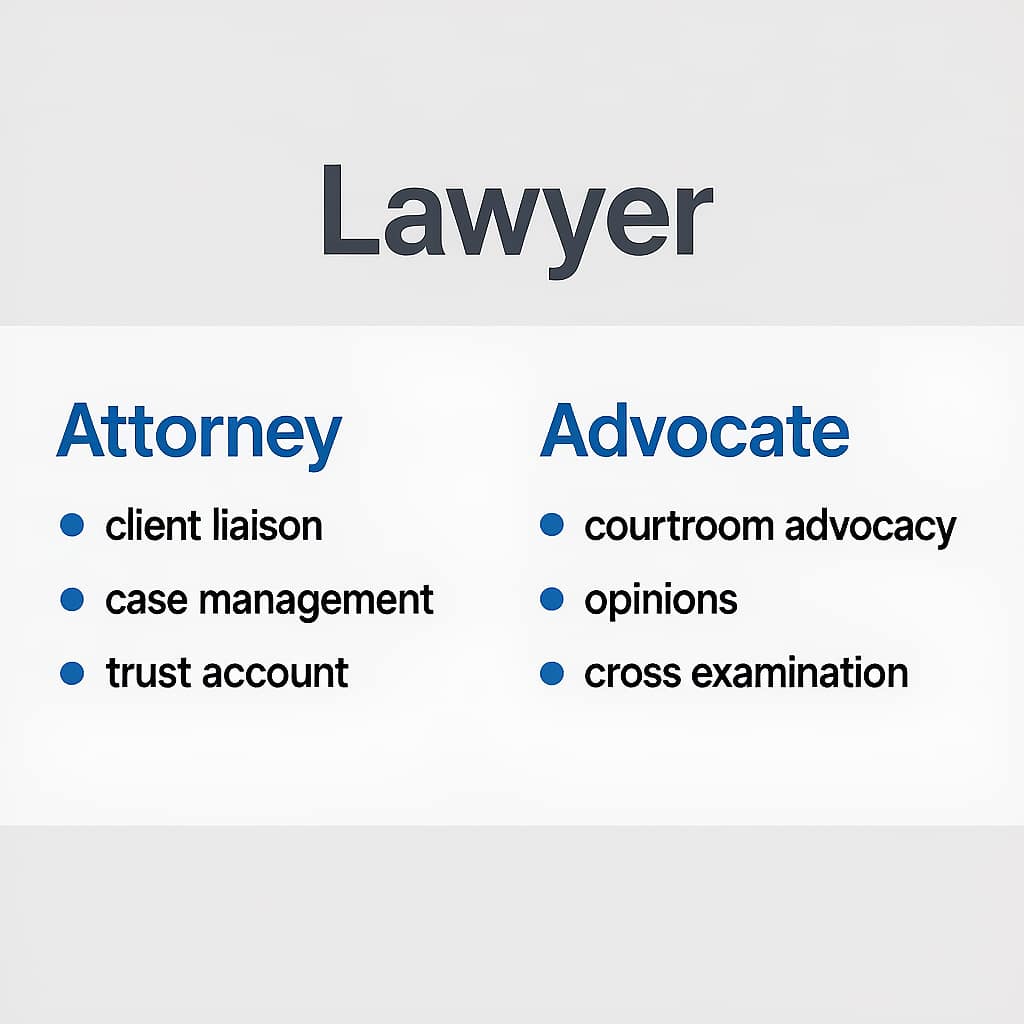
- South Africa: Attorney is the client facing practitioner. Advocates do specialist courtroom advocacy. Lawyer is generic.
- United Kingdom: Lawyer is broad. Solicitors handle client work, barristers focus on advocacy.
- Australia and New Zealand: Similar split with local variations and rights of audience rules.
So the practical difference between attorney and lawyer is this. Lawyer is umbrella. Attorney is license plus authority to represent, although titles vary by country.
The difference between attorney and lawyer across countries
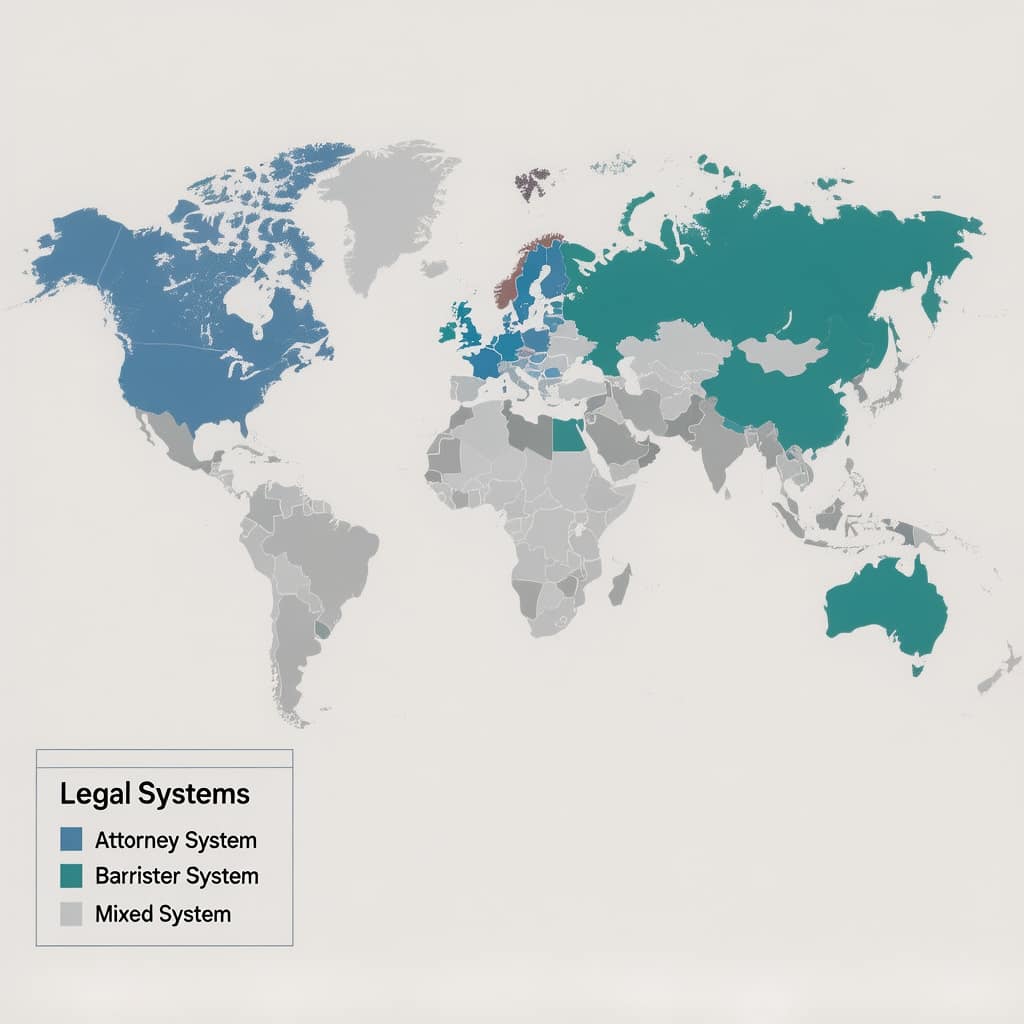
Jurisdiction changes everything. The difference between attorney and lawyer in your country determines who can sign pleadings, appear in court, and hold trust accounts for client monies.
United States
Every state licenses practitioners through a bar authority. People say lawyer casually, but attorney at law signals a licensed practitioner who passed a bar exam and met character requirements.
Canada
Provinces license practitioners. Titles include barrister and solicitor, often combined. The difference between attorney and lawyer is mostly linguistic, with attorney used less frequently than in the US.
South Africa
Here the distinction is sharper. Attorney is the main client contact who drafts, manages litigation, and may brief an advocate for superior court advocacy. The label lawyer is generic and not a regulated title.
United Kingdom
Lawyer remains a catch all term. Solicitors handle direct client work and transactional matters. Barristers are courtroom specialists. Understanding this structure helps translate the difference between attorney and lawyer in a UK context.
What each role does day to day
Roles create clarity. When you look at the difference between attorney and lawyer in practice, consider three pillars: client advice, document work, and courtroom advocacy.
- Client advice: All attorneys are lawyers, but not all lawyers hold a current license to advise the public.
- Document work: Contracts, pleadings, discovery, and opinions depend on licensure and local rules.
- Courtroom advocacy: Rights of appearance vary. In South Africa, attorneys may brief advocates for higher courts.
The take away is simple. To navigate the difference between attorney and lawyer, always check who is licensed to do what in your forum.
Education and licensing pathways
Credentials draw the line. The difference between attorney and lawyer often turns on licensure after a law degree or diploma. That licensure unlocks regulated services and court rights.
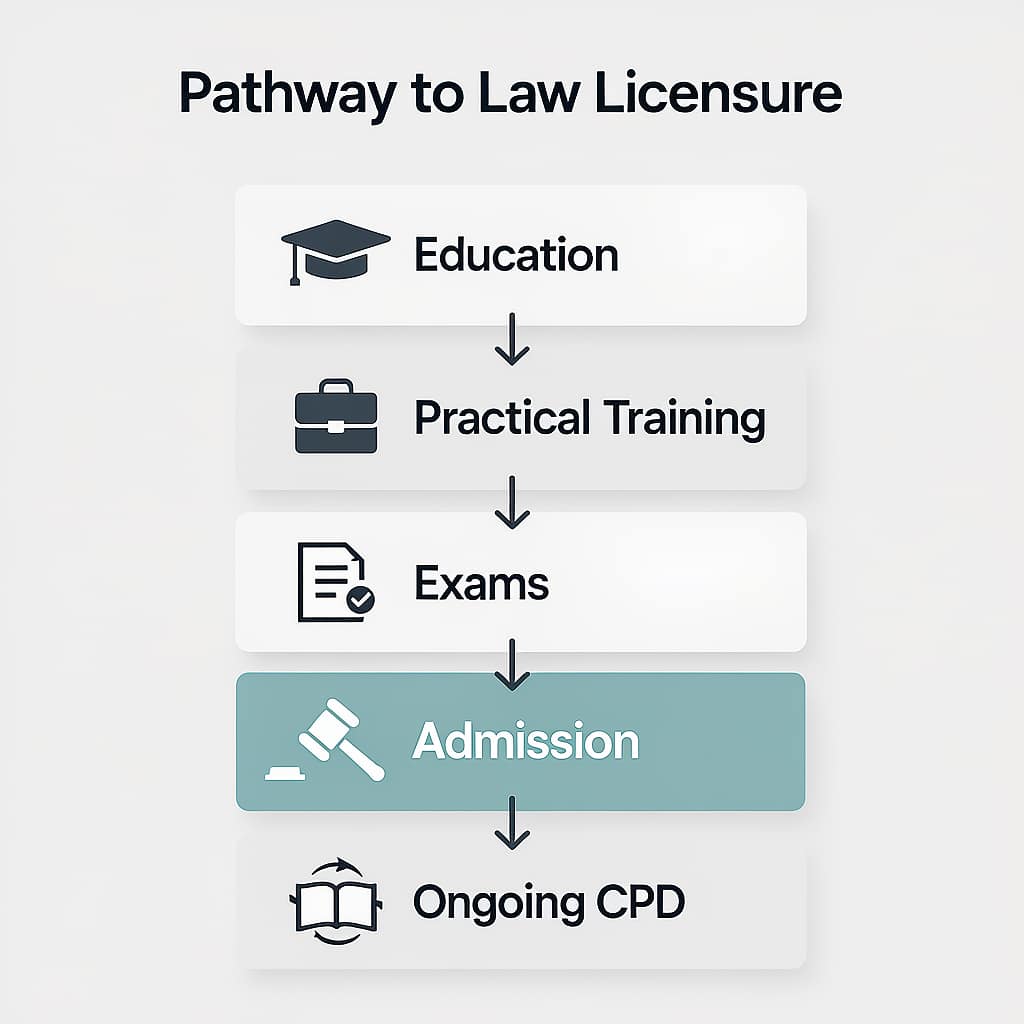
Typical steps
- Earn a law degree or equivalent qualification.
- Complete practical training, articles, clerkship, or pupillage.
- Pass bar or council exams and character checks.
- Maintain good standing, CPD, and professional indemnity cover.
These steps explain the operational difference between attorney and lawyer. They also show why titles carry legal risk if misused.
Courtroom rights and who can appear for you
Court rules decide representation. If you are comparing the difference between attorney and lawyer for trial work, verify rights of audience before you sign a fee agreement.

- Lower courts: Attorneys often appear directly.
- Higher courts: In South Africa, advocates are typically briefed through attorneys.
- Special tribunals: Check enabling statutes for representation rules.
Because court dynamics affect outcomes, understanding the difference between attorney and lawyer is a practical risk control, not trivia.
Fees, retainers, and scope of work
Budget smartly. While the difference between attorney and lawyer can impact pricing, your fee depends more on complexity, urgency, and seniority than on title alone.
- Hourly fees vs fixed fees vs contingency arrangements.
- Disbursements like counsel fees, experts, and court costs.
- Trust deposits and staged billing to manage cash flow.
Ask for a written scope. Tie every task to a deliverable and deadline. That way you avoid confusion about the difference between attorney and lawyer services on your invoice.
How to choose the right professional for your matter
Decisions feel easier with a framework. Use the quick method below to translate the difference between attorney and lawyer into action.
- Define your outcome. Settlement, defense, approval, or enforcement.
- Identify the forum. Office negotiation, commission hearing, or court.
- Match skills. Advisory generalist or courtroom specialist.
- Check credentials. License, right of appearance, and insurance.
- Test fit. Communication style, availability, and client reviews.
If you want guided support applying the difference between attorney and lawyer to your case, Reece Law Inc. offers structured consultations that turn facts into a concrete plan.
South Africa spotlight: attorney, advocate, and the term lawyer
Here is where the difference between attorney and lawyer becomes real. In South Africa, attorney is the regulated practitioner who consults clients, manages litigation, and may hold a trust account. Advocates provide specialist courtroom advocacy, usually briefed by attorneys.
The term lawyer is generic. It signals legal training but not necessarily a current right to practice. For High Court trials, an attorney will often brief an advocate. For Magistrates Court matters, an attorney may appear directly subject to rights of appearance.
If you need orientation on the difference between attorney and lawyer in South Africa for a cross border dispute, corporate transaction, or urgent interdict, you can request a strategy session with our litigation team at Reece Law Inc..
United States and Canada: translating the difference between attorney and lawyer
In North America, the difference between attorney and lawyer is often linguistic. Most consumers say lawyer. Statutes and courts refer to attorneys at law when licensure and representation are at issue.
Each state or province controls licensing. A JD without bar admission is a lawyer by education but not an attorney who can represent clients. That detail is the practical difference between attorney and lawyer in these markets.
United Kingdom and Commonwealth: solicitor, barrister, and lawyer
Translate carefully. The difference between attorney and lawyer in the UK maps to solicitor and barrister. Solicitors run client matters and transactions. Barristers focus on courtroom advocacy and opinions.
Many commonwealth jurisdictions retain this split. Check whether your matter needs direct access to counsel or must flow through a solicitor. That is how you operationalise the difference between attorney and lawyer in practice.
Common myths about the difference between attorney and lawyer
Let us bust a few myths that confuse the difference between attorney and lawyer and derail smart choices.
- Myth 1: Attorney always means criminal specialist. Reality: Attorney is a license, not a practice area.
- Myth 2: Lawyer cannot appear in any court. Reality: It depends on license and local rights of audience.
- Myth 3: Titles determine quality. Reality: Results come from skill, preparation, and fit.
- Myth 4: Fees are fixed by title. Reality: Pricing varies by task, urgency, and experience.
Knowing the difference between attorney and lawyer helps you ask better questions, spot red flags, and hire with confidence.
How to verify credentials quickly
Verification protects you. Instead of debating the difference between attorney and lawyer abstractly, confirm the professional’s status in five minutes.
- Ask for full name, registration number, and jurisdiction.
- Check the bar or council directory for current good standing.
- Request proof of professional indemnity insurance where relevant.
- Confirm right of appearance for the specific court or tribunal.
- Search for disciplinary history or sanctions.
If you need help vetting representation or clarifying the difference between attorney and lawyer for a cross border matter, use our consultation booking page to set up a call. (Placeholder link to be verified before publishing.)
Real world scenarios that make the difference clear
Stories simplify the difference between attorney and lawyer. Here are quick scenarios to anchor the concept in practice.
Scenario 1: Commercial lease negotiation
You want cost certainty and clean drafting. A licensed attorney with commercial experience handles negotiations, drafts the lease, and secures signatures. The difference between attorney and lawyer here is licensing plus relevant expertise.
Scenario 2: High Court litigation
Your dispute escalates. Your attorney manages pleadings and strategy, then briefs an advocate for trial. That division of labor shows the South African difference between attorney and lawyer in action.
Scenario 3: Compliance opinion
You need a regulatory opinion. A lawyer with subject matter expertise can research, but only an attorney with the proper license should advise the public and accept a mandate. This highlights the practical difference between attorney and lawyer.
Documents only vs full representation
Another way to view the difference between attorney and lawyer is scope. Some matters require only documents. Others demand full representation with court appearances and strategic advocacy.
- Documents only: Wills, simple contracts, uncontested filings.
- Hybrid: Advisory letters, negotiations, and settlements.
- Full representation: Litigation, trials, and appeals.
Define scope early. It removes ambiguity about the difference between attorney and lawyer services on your matter.
Ethics, accountability, and insurance
Licensure ties to accountability. That is a key difference between attorney and lawyer when clients consider risk. Regulated attorneys and similar practitioners answer to statutory bodies with enforceable rules.
- Codes of conduct and sanctions for breaches.
- Trust account rules and audits where applicable.
- Professional indemnity cover and client protection funds.
If a dispute arises, these safeguards matter more than labels. Still, knowing the difference between attorney and lawyer helps you set expectations and ask for the right protections.
Working with a team: attorneys, advocates, and specialists
Complex matters benefit from teamwork. The difference between attorney and lawyer becomes a strength when combined with advocates, experts, and consultants in a coordinated plan.
- Attorney as project lead and client interface.
- Advocate as courtroom strategist and examiner.
- Experts for finance, forensics, or technical validation.
Teamwork reduces risk and improves outcomes, especially when the difference between attorney and lawyer roles is clear from day one.
Digital basics: fast, accessible legal content
Small technical wins make your experience smoother. The images on this page are compressed and cached for page speed, and we use responsive layouts so the content is mobile friendly. That means less waiting and easier reading on any device.
These optimisations do not change the difference between attorney and lawyer, but they help you access the guidance you need, fast.
Checklist: questions to ask in your first meeting
Use this to translate the difference between attorney and lawyer into smart questions that reveal fit, plan, and cost.
- What is your license status and right of appearance for my forum
- What similar matters have you handled in the past year
- Who will do the work, and who will appear in court if needed
- What is the plan, timeline, and expected milestones
- How will fees, disbursements, and advocacy costs be billed

Apply the insight now
Ready to act on the difference between attorney and lawyer for your specific issue Try a short consult. Summarise your matter, confirm the forum, match the role, and verify credentials.
To move quickly, you can contact our team to pinpoint whether you need advisory support, full representation, or a mixed approach. (Placeholder link to be verified before publishing.)
If you prefer a strategic review guided by an experienced practitioner, Reece Law Inc. can help you frame the problem, map the forum, and assemble the right team.
FAQs
These quick answers address common questions about the difference between attorney and lawyer so you can move forward with clarity.
What is the core difference between attorney and lawyer
Lawyer is a broad label for someone trained in law. Attorney usually means a licensed practitioner authorised to represent clients, often in court.
In South Africa, what is the difference between attorney and lawyer
Attorney is the regulated practitioner who consults clients, manages cases, and may brief an advocate for higher court appearances. Lawyer is a general term.
Does the difference between attorney and lawyer matter for contracts
Yes. Contract drafting and legal advice to the public are regulated services. Hire a licensed attorney or the equivalent practitioner in your jurisdiction.
Can a non lawyer represent me in court
Usually no, except for limited small claims or tribunal exceptions. Always confirm rights of audience before you rely on a representative.
How do I check licensure quickly
Request registration details and verify with the relevant bar or council directory. In South Africa, search the Legal Practice Council records.
Are attorney and lawyer completely interchangeable
Not always. The difference between attorney and lawyer depends on local rules. When in doubt, ask for proof of licensure and right of appearance.
Who briefs an advocate in South Africa
An attorney typically briefs an advocate and remains the client facing lead. This division is part of the practical difference between attorney and lawyer locally.





Post Comment