Divorce Lawyer: 21 Proven Tips for Fair Wins

Divorce Lawyer: 21 Proven Tips for Fair Wins
By Charles Reece, Published by Reece Law Inc.
A smart Divorce Lawyer can be the difference between chaos and control. If you are separating, the right Divorce Lawyer helps you set goals, protect your kids, and guard your assets. This guide shows you how to prepare, what to expect in South Africa, and the exact steps you can take to move from uncertainty to a durable settlement.
You will learn how a Divorce Lawyer evaluates your case, negotiates outcomes, and litigates when needed. We will cover costs, custody, property division, and strategy. Keep this open while you plan your next move so you can navigate the process with clarity.
What a Divorce Lawyer Really Does in South Africa
At a high level, a Divorce Lawyer maps your legal position, sets a negotiation plan, and executes it through mediation or court. That plan covers the regime of your marriage, parenting arrangements, maintenance, and the division of assets and debt. In South Africa, the Divorce Act, the Matrimonial Property Act, and the Children’s Act shape most decisions.
Your Divorce Lawyer will inventory assets, verify your marital property regime, and test claims with bank statements, valuations, and affidavits. They will also negotiate a parenting plan, work with the Office of the Family Advocate when necessary, and prepare for interim relief applications where appropriate.
When settlement talks stall, your Divorce Lawyer files and manages litigation steps, from summons to discovery and pretrial down to trial. They protect your rights in court while keeping the door open for a rational settlement at every stage.
When You Must Hire a Divorce Lawyer vs DIY
Some couples settle quickly with minimal friction. Even then, speaking to a Divorce Lawyer for an hour can prevent costly mistakes. DIY can work for short marriages with no children, no real property, and full agreement. Otherwise, risk rises fast.
- Hire a Divorce Lawyer if children, real estate, pensions, or businesses are involved.
- Get counsel if there is a power imbalance, high conflict, or a history of abuse.
- Use a Divorce Lawyer when you suspect hidden assets or need urgent interim maintenance or contact orders.
- Consult a Divorce Lawyer if your spouse has already hired one. Level the field early.
If in doubt, book a consult, get scoped advice, and then decide. An early strategy session is often the cheapest step you can take.
How to Choose the Right Divorce Lawyer: 21 Proven Tips
Picking well saves money and stress. Use these practical checkpoints to evaluate any Divorce Lawyer before you sign.
- Fit over fame – choose a Divorce Lawyer who explains clearly and listens closely.
- Relevant experience – ask about similar cases, especially custody, complex assets, or cross-border issues.
- Transparent fees – request a written fee structure, estimates, and billing cadence.
- Strategy first – a good Divorce Lawyer starts with goals and alternatives, not just court dates.
- Settlement mindset – confirm their approach to mediation and structured negotiation.
- Trial readiness – verify litigation experience in the Regional Court or High Court.
- Team depth – find out who drafts, who appears, and who manages discovery.
- Communication – agree on response times and preferred channels.
- Conflict checks – ensure no conflicts with your spouse or related entities.
- Documentation plan – ask how your Divorce Lawyer will gather and organise evidence.
- Custody competence – look for knowledge of parenting plans and the Family Advocate process.
- Maintenance mastery – grill them on interim relief, Rule 43 or Rule 58, and realistic budgets.
- Property regime expertise – test their understanding of accrual, community of property, and antenuptial contracts.
- Business fluency – for companies or trusts, ask about valuations and tracing.
- Settlement drafting – ask for a sample settlement agreement with clear, workable clauses.
- Timelines – get an honest timeline for your matter and the key milestones.
- Tech and privacy – confirm secure document exchange and privacy practices.
- References – request testimonials or case studies where appropriate.
- Local knowledge – a Divorce Lawyer familiar with your court’s practices can save time.
- Chemistry – you will share private facts. Choose a Divorce Lawyer you trust.
- Exit clarity – know how to end the mandate and get your file if needed.
Costs, Retainers, and Billing Explained
Money clarity reduces stress. Your Divorce Lawyer should detail hourly rates, disbursements, and when counsel may be briefed. Ask for a retainer agreement that sets the scope and a funding plan for experts like valuers or psychologists.
Budget for discovery, settlement drafting, and potential interlocutory applications. Good forecasting matters. A proactive Divorce Lawyer will organise your documents early to cut wasted hours and keep momentum.
Request monthly itemised invoices. If costs escalate, schedule a strategy review to adjust your approach. Smart planning beats drift every time.
Key Issues Your Divorce Lawyer Will Tackle
Child Care, Contact, and the Parenting Plan
In South Africa, the Children’s Act centres the child’s best interests. Your Divorce Lawyer will help you design a practical parenting plan that covers residence, contact schedules, holidays, decision making, and dispute resolution. The Office of the Family Advocate can assist in contested matters and may interview both parents and children where appropriate.
Judges look for stability, cooperation, and a child focused plan. A careful Divorce Lawyer will gather school reports, therapist letters where relevant, and any evidence of caregiving history to support your proposals.
Maintenance and Interim Relief
Maintenance must be rooted in need and means. Your Divorce Lawyer will prepare detailed budgets and source documents to show income, expenses, and standard of living. Pending divorce, you may apply for interim maintenance and contact arrangements. In the High Court, this relief is often sought under Rule 43. In the Regional Court, similar interim relief can be sought using the appropriate court rules.
A precise schedule of needs, backed by bank statements and invoices, makes your application credible. A disciplined Divorce Lawyer will insist on this paperwork before filing.
Property Regimes and Division
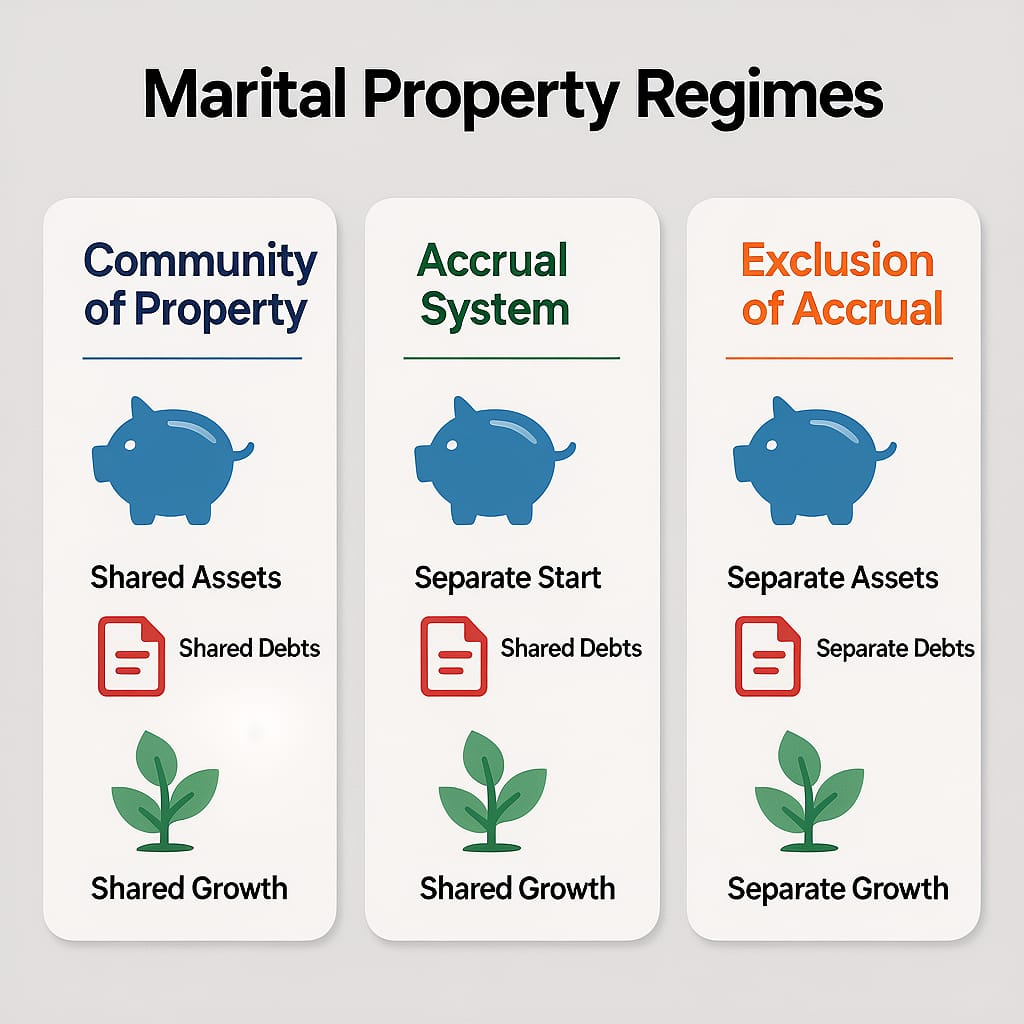
Your marital property regime dictates the division framework. With community of property, the joint estate is divided. With accrual, the growth in each estate during the marriage is compared and the smaller estate may have a claim. With an antenuptial contract excluding accrual, each spouse keeps their estate unless another legal basis applies.
Expect your Divorce Lawyer to verify dates, contracts, and any exclusions. They may brief a forensic accountant to value businesses, trace funds through trusts, and calculate pension interests under the Divorce Act and the Pension Funds Act.
Pensions, Policies, and Retirement Funds
Retirement benefits can be a large part of the estate. Your Divorce Lawyer will draft orders that comply with pension fund rules to avoid delays. Getting this wrong can cost you years.
Family Violence and Safety Planning
If there is a risk of harm, tell your Divorce Lawyer immediately. Domestic violence protection orders can be sought urgently. Safety plans, secure exchanges, and careful communication protocols protect you and your children while the case moves forward.
South African Divorce Process and Timeline
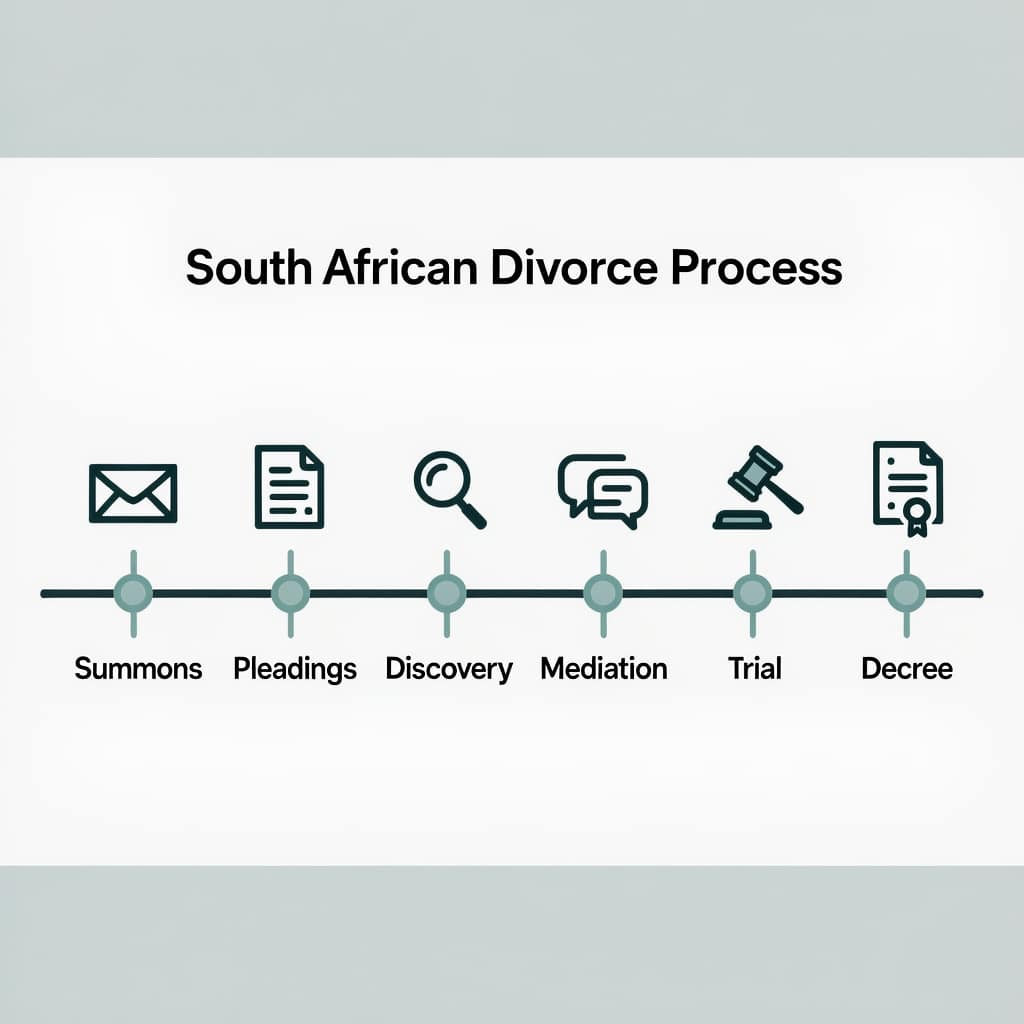
Every case is unique, but most follow a similar arc. Your Divorce Lawyer will adapt this pathway to your facts and risk profile.
- Intake and scoping – you share goals, facts, and documents. Your Divorce Lawyer maps a strategy and early evidence plan.
- Summons and service – the action starts with a summons and particulars served on your spouse.
- Pleadings – the defendant files a notice to defend and a plea, possibly with a counterclaim.
- Interim relief – your Divorce Lawyer may bring interim applications for maintenance or contact if needed.
- Discovery – both sides exchange relevant documents and request further particulars.
- Mediation and settlement talks – structured negotiation aims to lock down a draft settlement agreement.
- Pretrial and trial – unresolved cases proceed to evidence. Your Divorce Lawyer prepares witnesses, heads of argument, and bundles.
- Decree and implementation – after settlement or judgment, pension instructions, transfers, and name changes follow.
Timeframes vary. Uncontested matters can finalise in months. Contested cases take longer. The strongest lever is preparation. A thorough file lets your Divorce Lawyer move quickly when settlement windows open.
Smart Settlement Strategy With Your Divorce Lawyer
Settlement is not surrender. It is disciplined problem solving. Your Divorce Lawyer will identify tradeable issues, define walk away points, and ladder proposals to test your spouse’s priorities. Good offers carry reasons and evidence, not emotion.
Use mediation to unlock stuck positions. When a point cannot be bridged, isolate it and settle the rest. Your Divorce Lawyer can then litigate the narrow remainder while preserving the win you already boxed.
Evidence and Documentation Checklist
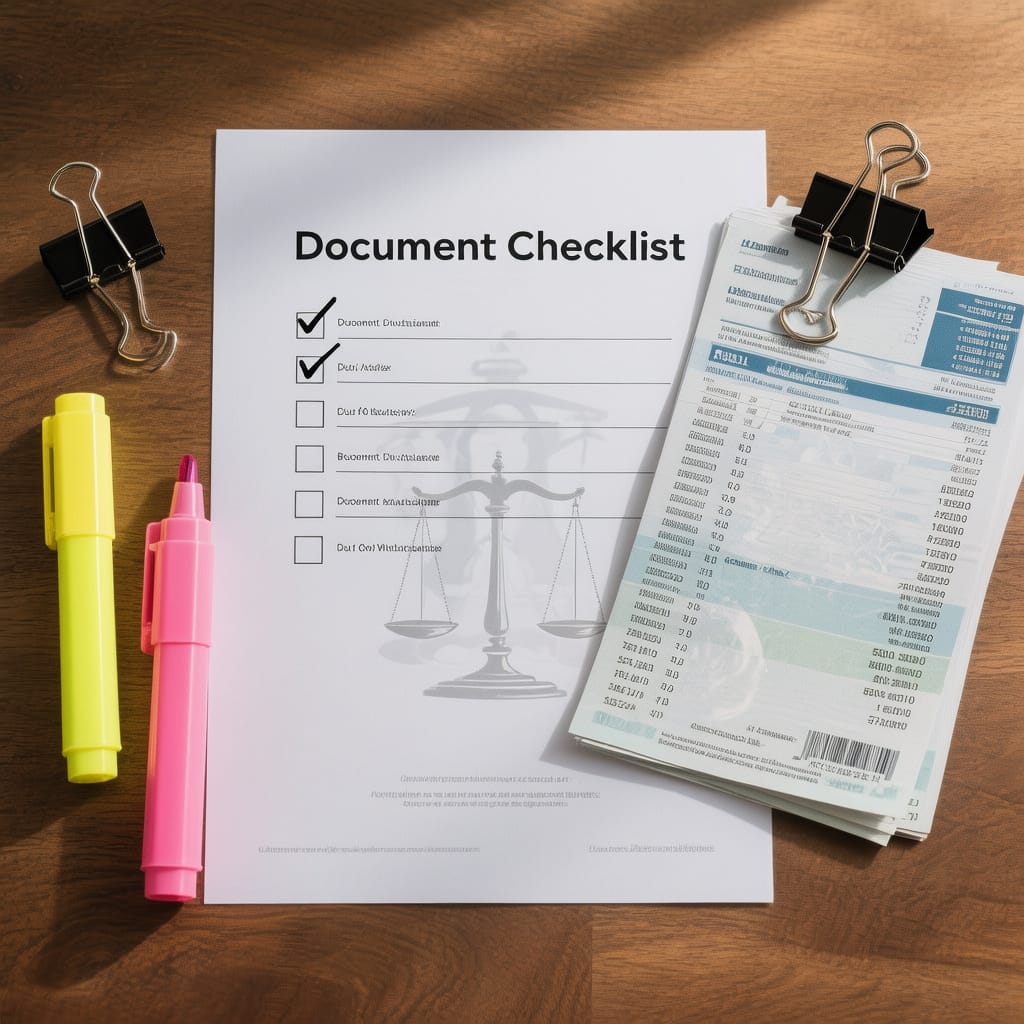
Evidence wins cases. Work with your Divorce Lawyer to assemble a tight, searchable file. Start with the basics and then fill gaps.
- Identity documents and marriage certificate or registration details
- Antenuptial contract and any variations
- Bank statements, tax returns, payslips, and loan agreements
- Property deeds, bond statements, vehicle papers, and valuations
- Retirement fund statements and policy schedules
- Business financials, CIPC records, trust deeds, and shareholder registers
- School reports, healthcare records, and childcare expense logs
- Communication logs or screenshots relevant to parenting or finances
Label files consistently. Use a simple index. Ask your Divorce Lawyer if the court prefers paginated bundles and how to format annexures for affidavits.
Common Mistakes To Avoid
Rushing big decisions, venting on social media, or hiding funds will hurt your case. A steady Divorce Lawyer will pull you back from avoidable risks and keep you focused on outcomes, not point scoring.
- Do not move money without advice. It can look like dissipation.
- Avoid informal deals that are not written and signed.
- Do not disparage your co-parent in front of the children.
- Never ignore court dates or document requests.
If you are unsure, call your Divorce Lawyer before you act. Ten minutes now can save months later.
Digital Privacy, Security, and Your Case
Assume anything you type can be read out in court. A prudent Divorce Lawyer will show you how to lock down devices, enable two factor authentication, and separate finances. Update passwords and back up your documents to a secure folder you control.
Keep communications civil and brief. Use agreed channels. If harassment occurs, your Divorce Lawyer will help you record evidence properly for interim relief.
Co-Parenting That Actually Works

Kids thrive on routine. Your Divorce Lawyer will help you stabilise transitions, set realistic travel times, and split holidays fairly. Use calendars, agree on pick up locations, and write rules for new partners meeting the children.
When conflict flares, return to the parenting plan. If changes are needed, your Divorce Lawyer can amend the plan and formalise updates to keep peace predictable.
Entrepreneurs and High Net Worth Cases
Business owners face complex valuation and liquidity questions. Your Divorce Lawyer will coordinate forensic accountants to price companies, trace retained earnings, and separate personal from business expenses. Expect careful work on trusts, loans, and directors’ accounts.
Tax planning matters. A capable Divorce Lawyer will test settlement structures that reduce friction costs without sacrificing fairness. Prepare for a longer discovery phase and expert evidence.
Cross Border, Relocation, and International Issues
When parenting crosses borders, jurisdiction and enforcement become critical. Your Divorce Lawyer will address habitual residence, travel consent, passports, and mirror orders where needed. Engage early to avoid last minute travel disputes.
Property abroad often requires foreign counsel. Your Divorce Lawyer can coordinate with overseas lawyers to identify assets and ensure orders are workable across jurisdictions.
Your First Consultation With a Divorce Lawyer
Arrive with a short timeline, key documents, and three goals. A prepared client accelerates results. Your Divorce Lawyer will ask clarifying questions, outline options, and flag urgent steps like interim maintenance or parenting arrangements.
Leave with an action list and deadlines. Confirm the fee structure and the best contact method. A structured start reduces anxiety and keeps the case on rails.
Fast, Mobile Friendly Resources
We keep guides like this light and fast. Images are compressed, and caching is used so pages load quickly on your phone. Ask your Divorce Lawyer which secure apps they prefer for file sharing and e-signing to save time and costs.
Working With a Trusted Firm
If you need experienced guidance, consider booking a case assessment with Reece Law Inc. A focused Divorce Lawyer will triage your issues, check your documents, and chart a plan that fits your goals.
Prefer to read more first? Explore our services page at https://www.reece-law.co.za/services/divorce-lawyer [placeholder – verify before publishing] or reach out via our contact page at https://www.reece-law.co.za/contact [placeholder – verify before publishing].
FAQs
Do I really need a Divorce Lawyer if we agree on everything?
Even with full agreement, a short consult can prevent expensive mistakes. A Divorce Lawyer will sanity check your parenting plan, verify property calculations, draft enforceable wording, and ensure pension instructions comply with fund rules.
How long does a divorce take in South Africa?
An uncontested matter may finalise within a few months. Contested cases take longer, especially with complex assets or custody disputes. Your Divorce Lawyer will give a tailored timeline after reviewing your file.
What documents should I bring to my first meeting?
Bring your marriage certificate, antenuptial contract if any, three to six months of bank statements, recent payslips, tax returns, lists of assets and debts, and your questions. A prepared packet lets a Divorce Lawyer give specific advice.
Can we mediate without going to court?
Yes. Mediation can resolve parenting and financial issues faster and at lower cost. A Divorce Lawyer can prepare you, draft settlement terms, and file the agreement for a decree once signed.
What is interim maintenance and how do I get it?
Interim maintenance is temporary support while the case proceeds. Your Divorce Lawyer files an application supported by budgets and financial records. Courts focus on need, means, and the status quo.
How are pensions divided?
It depends on your property regime and the wording of the order. A Divorce Lawyer will ensure pension fund compliant clauses so the fund can transfer the correct portion without delay.
What if I suspect hidden assets?
Your Divorce Lawyer can compel discovery, subpoena records, and brief forensic experts to trace funds. Early document preservation and careful analysis usually reveal what is missing.
References




Post Comment